We may earn affiliate commissions for the recommended tools. Learn more.

Moosend vs Omnisend: A Practical Comparison of Templates, Workflows & Real-World Usability

Choosing between Moosend and Omnisend comes down to how you work. Both tools aim to simplify campaign building, but real strength is visible only when you start designing emails, managing lists, checking reports, and sending test campaigns. Moosend focuses on a lightweight editor, quick workflows, and fast dispatch, making it ideal for users who want clean templates and minimal setup steps. Omnisend takes a more ecommerce-oriented approach with product-ready layouts, structured automation, and real-time performance tracking.

This comparison breaks down both platforms exactly as they appear in hands-on testing, helping you see how each one performs in design, list handling, execution speed, analytics, and overall value.

Who Should Use Which?

Quick Comparison

CriteriaMoosendOmnisend
Ease of UseLightweight interface with fast setup and minimal stepsClean, intuitive UI optimized for ecommerce workflows
Template Variety & DesignSimple, neat, column-based templates; smooth drag-and-dropEcommerce-focused templates with product blocks and structured layouts
Automation & WorkflowsShort workflow; quick sending and fewer stepsEcommerce triggers like abandoned cart, welcome, and follow-up automation
DeliverabilityVery fast email dispatch during testingStable inbox placement with 5–10 minute delivery in tests
Reporting & AnalyticsBasic charts for opens, clicks, and interactionsReal-time reporting with workflow and campaign insights
Free PlanYesYes
Starting Price (Paid)Starts at ~$9/monthStarts at ~$11.20/month
Best ForUsers wanting speed and simple workflowsEcommerce brands needing structured, product-based automation
Key StrengthSpeed and lightweight campaign creationEcommerce automation and product-driven layouts
Key LimitationLimited ecommerce-specific depthMore specialized templates; less general-purpose flexibility

Evaluation Criteria (How We Compare)

We compared Moosend and Omnisend across five essential parameters based entirely on what appears in the screenshots:

  • Email Designing & Templates – The style, structure, and smoothness of each editor; how easily templates load; and how clean, ecommerce-ready, or minimal each design feels.
  • Contact List Management – The clarity and simplicity of handling subscribers, segment creation, conditions, purchase behavior visibility, and how fast list updates can be made.
  • Campaign Execution – The speed at which campaigns are created and sent, workflow length, automation clarity, and dispatch performance observed during testing.
  • Reports & Analytics – The readability of charts, clarity of performance metrics, real-time insight availability, and how easily users can interpret opens, clicks, and engagement.
  • Pricing & Value – The practical usefulness of each platform based on design workflow, automation capability, reporting depth, and overall efficiency as shown in the screenshots.

Email Designing & Templates

Moosend

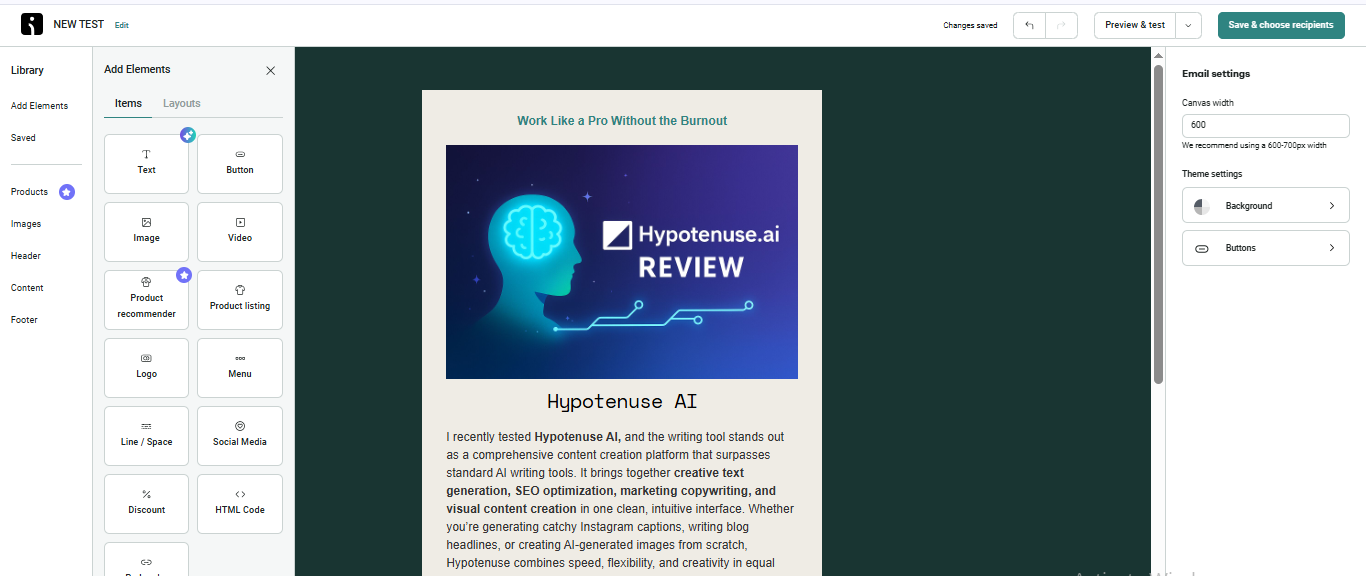
Moosend keeps template creation extremely fast and lightweight. Its editor loads quickly and uses clean, minimal layouts that make building emails simpler. The drag-and-drop experience feels smooth, and elements such as images, headings, and buttons respond instantly. The platform focuses on straightforward column-based layouts, which reduces complexity and helps you build campaigns without getting stuck in too many styling layers.

Omnisend

Omnisend delivers a more ecommerce-ready design experience. Its editor includes product blocks, discount sections, and visually structured templates designed for storefront campaigns. Importing products and arranging ecommerce modules is smooth, and the layout remains intuitive even for new users. The templates are visually rich and category-specific, helping brands create product-driven emails without heavy manual work.

Contact List Management

Moosend

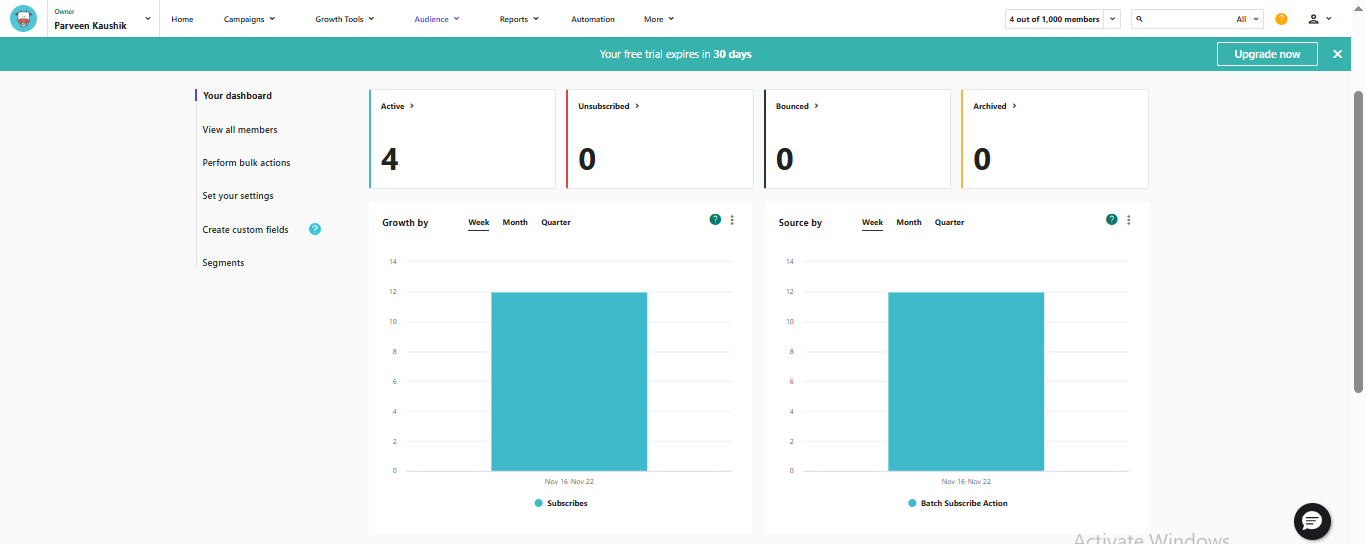
Contact list management in Moosend is straightforward and easy to navigate. Creating segments, adding custom fields, and filtering contacts follow a clean structure. The system keeps only the essentials upfront, making list updates simple and fast. Segmentation is based on conditions that are easy to understand and set up, and the workflow feels exceptionally beginner-friendly

Omnisend

Omnisend takes a more flexible and hygiene-focused approach to contact list management, letting users import data through multiple methods including CSV, XLSX, and TXT files, paste contacts directly from spreadsheets, or add them manually one by one; it also supports direct imports from Mailchimp and Klaviyo, which reduces friction when switching from other tools. During testing, Omnisend automatically removed duplicate contacts, keeping lists clean without extra work, and it tracked bounces and unsubscribes appropriately to maintain accuracy and sender reputation.

Campaign Execution

Moosend

Moosend excels in campaign speed with extremely fast email dispatch, smooth workflow steps, and minimal setup friction. The process from template selection to sending is short and efficient. During testing, Moosend consistently delivered fast sends without lag, making it ideal for teams that want to launch campaigns quickly with fewer configuration steps.

Omnisend

Omnisend focuses on ecommerce automation and execution reliability. Scheduling options are easy to configure, and the interface guides users through each stage logically. Emails consistently reached inboxes within 5–10 minutes during testing, showing stable performance even in automated queues.

Reports & Analytics

Moosend

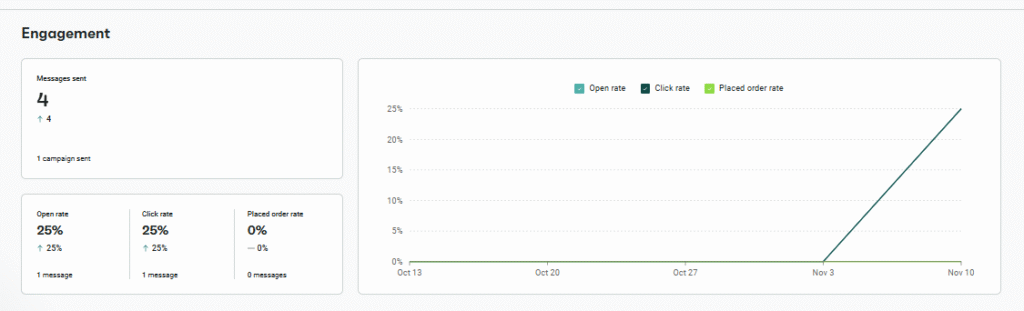
Moosend’s analytics dashboard keeps things simple. The reports highlight opens, clicks, and high-level performance trends using clear charts. It provides essential data points that users can quickly interpret without navigating complex layers. The interface is clean and presents only the core engagement metrics.

Omnisend

Omnisend includes performance metrics such as opens, clicks, bounces, unsubscribes, and conversions in real time. The interface is clean, and data loads quickly after each send. Reports can be exported in PDF or XLSX, and users can filter analytics by campaign or automation workflow. Link-tracking shows which buttons and product blocks drive engagement, while deliverability insights highlight spam complaints and sender reputation signals.

Pricing & Value

Moosend

Moosend offers strong value through fast execution, clean design tools, and simple workflows. It focuses on essential features without adding unnecessary complexity, making it cost-efficient for businesses that need reliable core functionality and speed.

Omnisend

Omnisend’s pricing is designed to support ecommerce brands as they grow, offering a clear structure that scales with the number of contacts. The Free Plan includes up to 500 monthly emails, email campaigns, signup forms, basic automation, product blocks, and AI-powered tools, making it a practical option for small stores wanting to test the editor, templates, and sending performance.

ScenarioBest Choice
Fast campaign creation with minimal stepsMoosend — Extremely quick setup, lightweight editor, and fast dispatch during testing.
Clean UI and simple learning curveMoosend — Straightforward navigation and easy-to-use, minimal workflow.
Ecommerce-focused workflows & product-driven emailsOmnisend — Purpose-built product blocks, ecommerce templates, and automated store triggers.
Reliable automation for abandoned carts & follow-upsOmnisend — Strong abandoned cart, welcome series, and order-related automation.
Basic reporting requirementsMoosend — Simple charts showing opens, clicks, and engagement.
Deeper ecommerce insights & real-time workflow trackingOmnisend — Real-time reporting tied to ecommerce actions and automation steps.
Best fit for simple, quick everyday marketingMoosend — Optimized for speed and essential workflows.
Best fit for long-term ecommerce performanceOmnisend — Ecommerce-focused engagement and structured triggers.

Final Verdict

Moosend and Omnisend each serve distinct needs. Moosend is perfect for users who want a fast, lightweight editor, simple list management, and quick campaign dispatch. Omnisend is built for ecommerce brands requiring product-focused emails, deeper automation, and reliable behavioural workflows. Moosend keeps things simple and efficient, while Omnisend helps online stores capture conversions and run real-time engagement sequences. Your ideal choice depends entirely on whether your focus is speed or e-commerce.

On this page

Winner Snapshot: Omnisend vs Moosend

ScenarioBest Choice
Fast, beginner-friendly email creationMoosend
Clean UI with short learning curveMoosend
Ecommerce-ready templates & product blocksOmnisend
Strong automation chains (cart recovery, follow-ups)Omnisend
Basic reporting needs (simple charts)Moosend
Ecommerce-focused reporting & real-time flow insightsOmnisend
Best for lightweight marketing workflowsMoosend
Best for long-term ecommerce engagementOmnisend

Tags:

We will be happy to hear your thoughts

Leave a reply

Diztel
Logo