We may earn affiliate commissions for the recommended tools. Learn more.

Your Next Store (YNS) Review: Easy Online Store Builder

When I tried Your Next Store, what struck me first was how straightforward it felt to set up an online store without needing technical expertise. The platform guides you step by step right from adding products to setting up payments and shipping. This process makes the whole process of building an online store feel effortless. Unlike bulky ecommerce platforms, it doesn’t overwhelm you with endless options. Instead, it focuses on giving you just the right mix of tools to launch quickly and manage efficiently. Within a short time, I was able to put together a functional storefront that looked professional and was easy to navigate. For anyone intimidated by complex ecommerce software, this tool feels refreshingly accessible while still being robust enough for real business needs.

Who is it Best For?

  • Small businesses launching an online store
  • Entrepreneurs testing new products
  • Freelancers selling digital or physical goods
  • Beginners who want a hassle-free ecommerce setup
  • Users looking for affordable ecommerce tools

What Makes it Stand Out

What makes Your Next Store stand out is its simplicity-first approach to ecommerce. Instead of drowning users in complex settings, it provides a guided, step-by-step flow for creating and managing a store. Combined with integrated payment, shipping, and discount features, it helps users go live quickly while still offering enough flexibility to scale as the business grows.

7.5Expert Score
Quick Launch Ecommerce

Best for first-time store owners who want a quick AI-powered setup with strong e-commerce basics. The platform excels in ease of use and value, but trails premium competitors in design flexibility and enterprise support.

Ease of Use
8
Templates & Design
7
Ecommerce Capabilities
8
Pricing & Value
8
Customer Support
6
How We Rate? Our ratings reflect hands-on testing and comparison across key parameters such as usability, features, pricing, support, and overall value.

Performance Breakdown: Pros and Cons

Who Should Use Your Next Store?

  • Small Businesses – Perfect for shops, boutiques, and local businesses wanting a simple online storefront.
  • Entrepreneurs & Startups – Great for testing new product ideas without investing in complex ecommerce systems.
  • Freelancers & Creators – Ideal for selling digital products, courses, or services.
  • Beginners – Those with little to no technical knowledge who want a guided setup process.
  • Budget-Conscious Users – Users looking for an affordable way to start selling online.

Who Should Skip This Tool?

  • Advanced Ecommerce Sellers – If you need deep customization, multi-store management, or advanced analytics, it may feel too limited.
  • Large Enterprises – Not built for handling high-volume transactions or complex supply chains.
  • Agencies & Developers – Those looking for pixel-perfect design freedom or coding flexibility might find it restrictive.
  • Heavy Content Publishers – If blogging or content marketing is your main focus, platforms like WordPress are a better fit.
  • Global Sellers – Businesses needing extensive multi-currency or multilingual support may find it lacking.

Ease of Use (UI/UX)

Setting up a store with Your Next Store felt refreshingly simple.

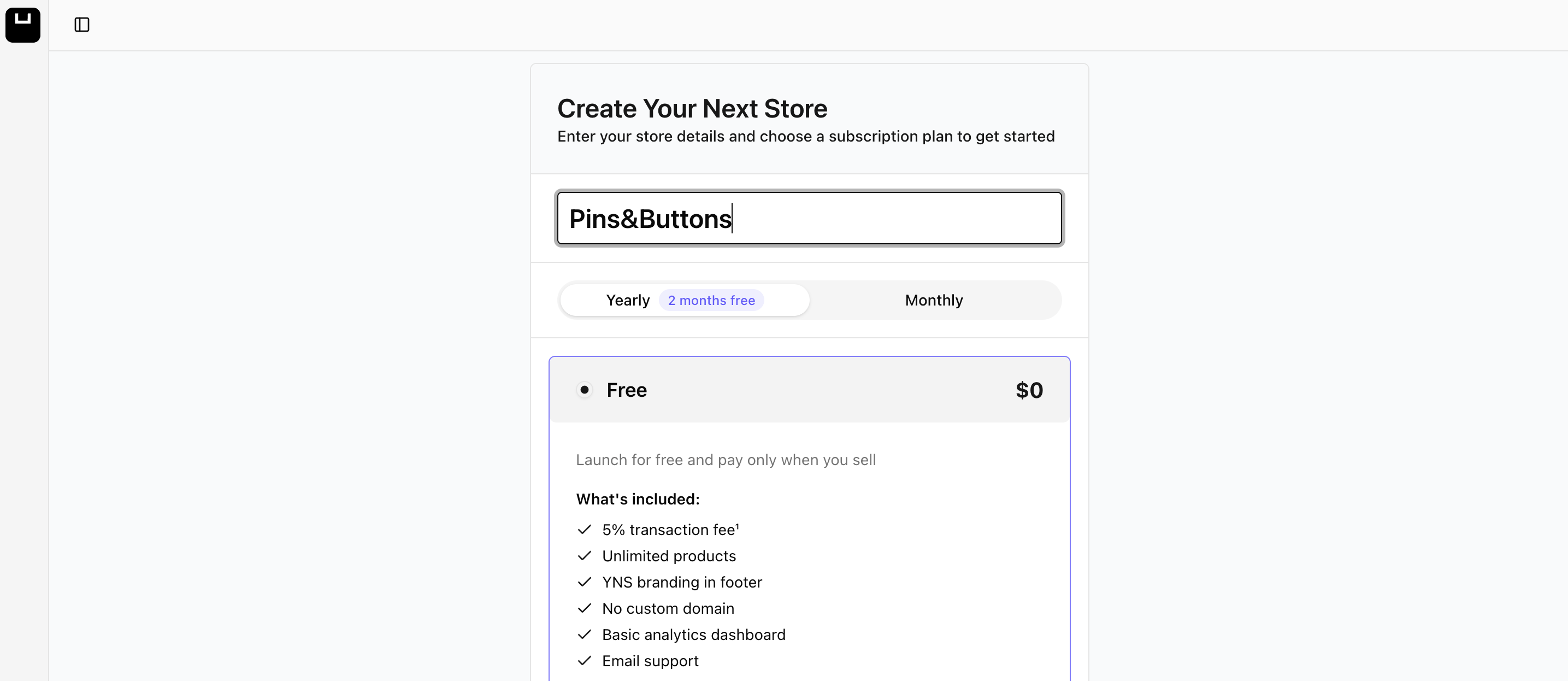
The sign-up process only required an email and password, and within minutes I was inside the dashboard. The onboarding flow is well-guided, prompting me to add a store name, upload a logo, and choose basic preferences before jumping into product setup. It avoids clutter and gives you just what you need at each step.

Building a basic ecommerce store was smooth. Adding products, setting prices, and enabling payments took only a few clicks. Beginners will find the interface intuitive, with clearly labeled options and no overwhelming jargon. Advanced users, however, may find the lack of granular controls limiting compared to more robust platforms like Shopify or Webflow.

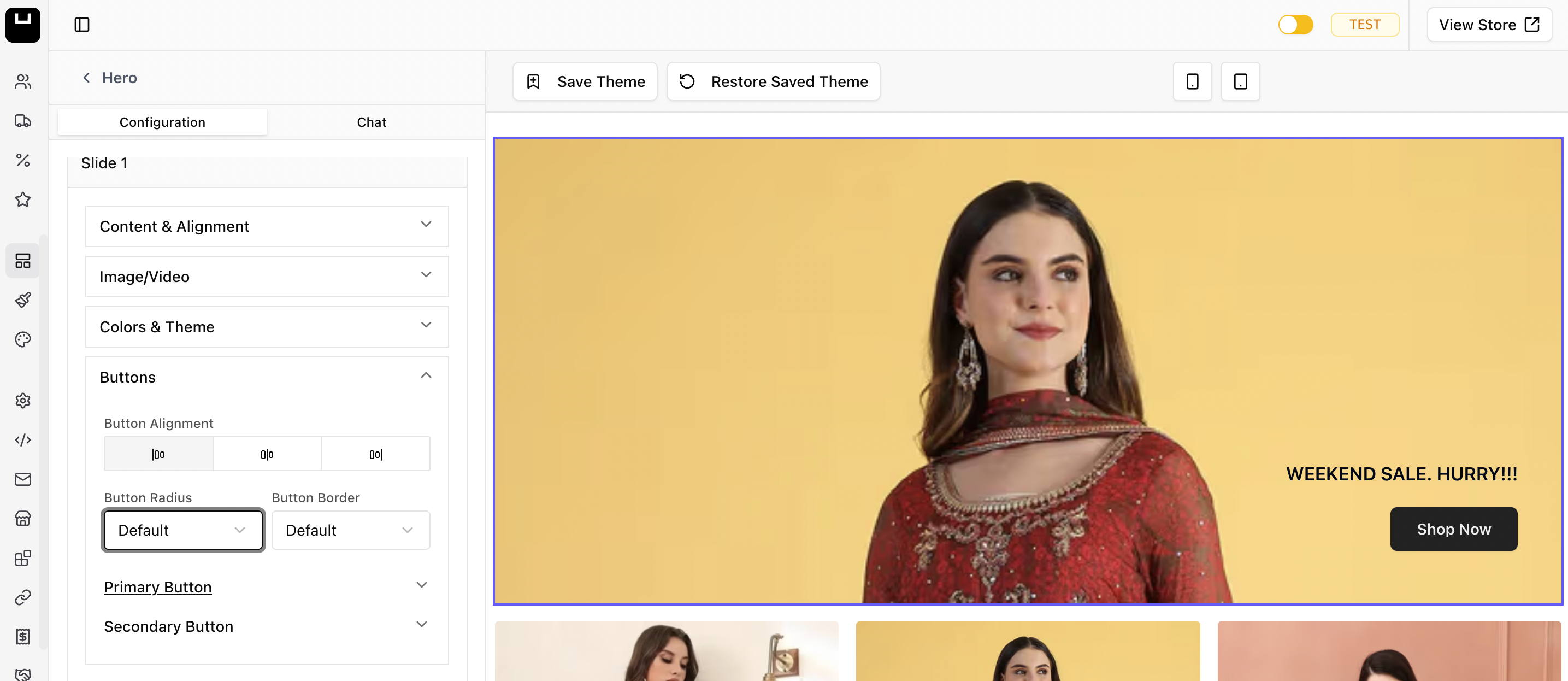
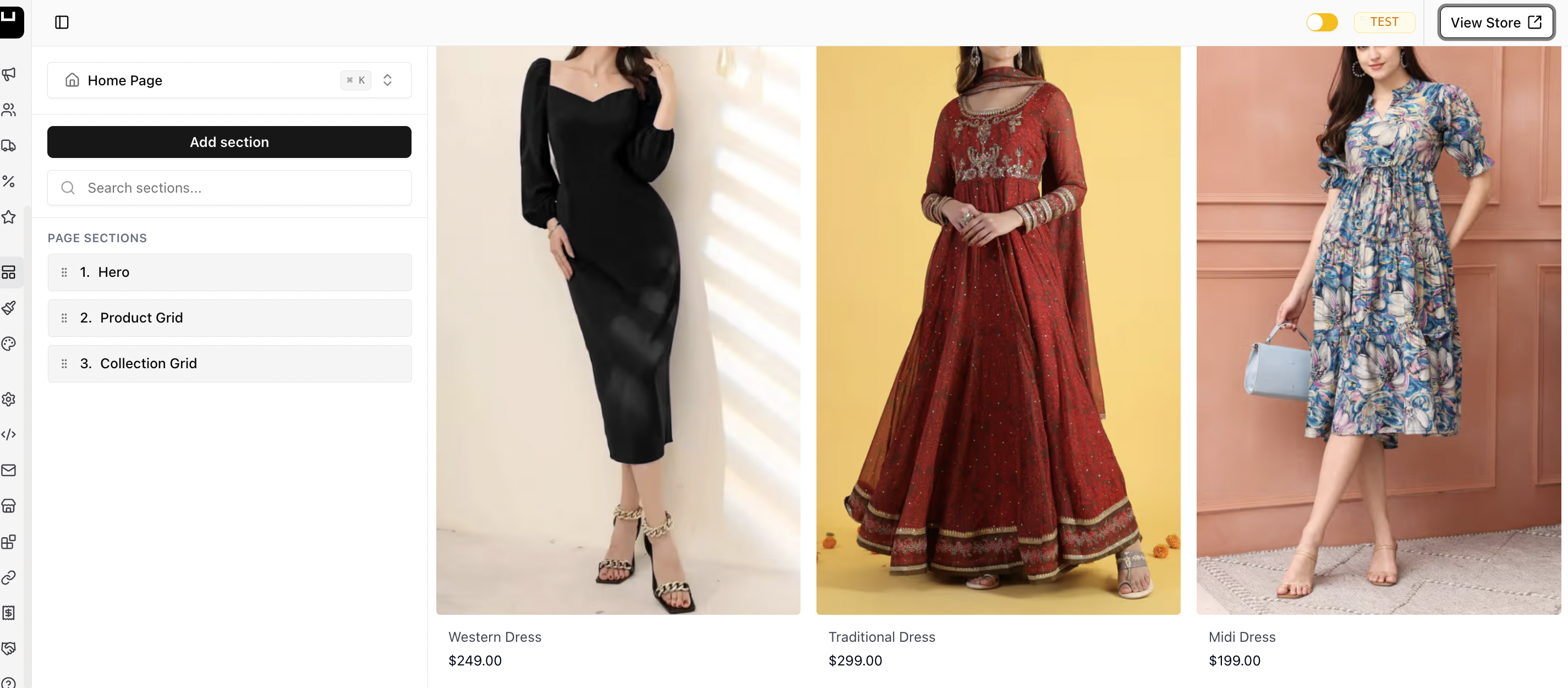
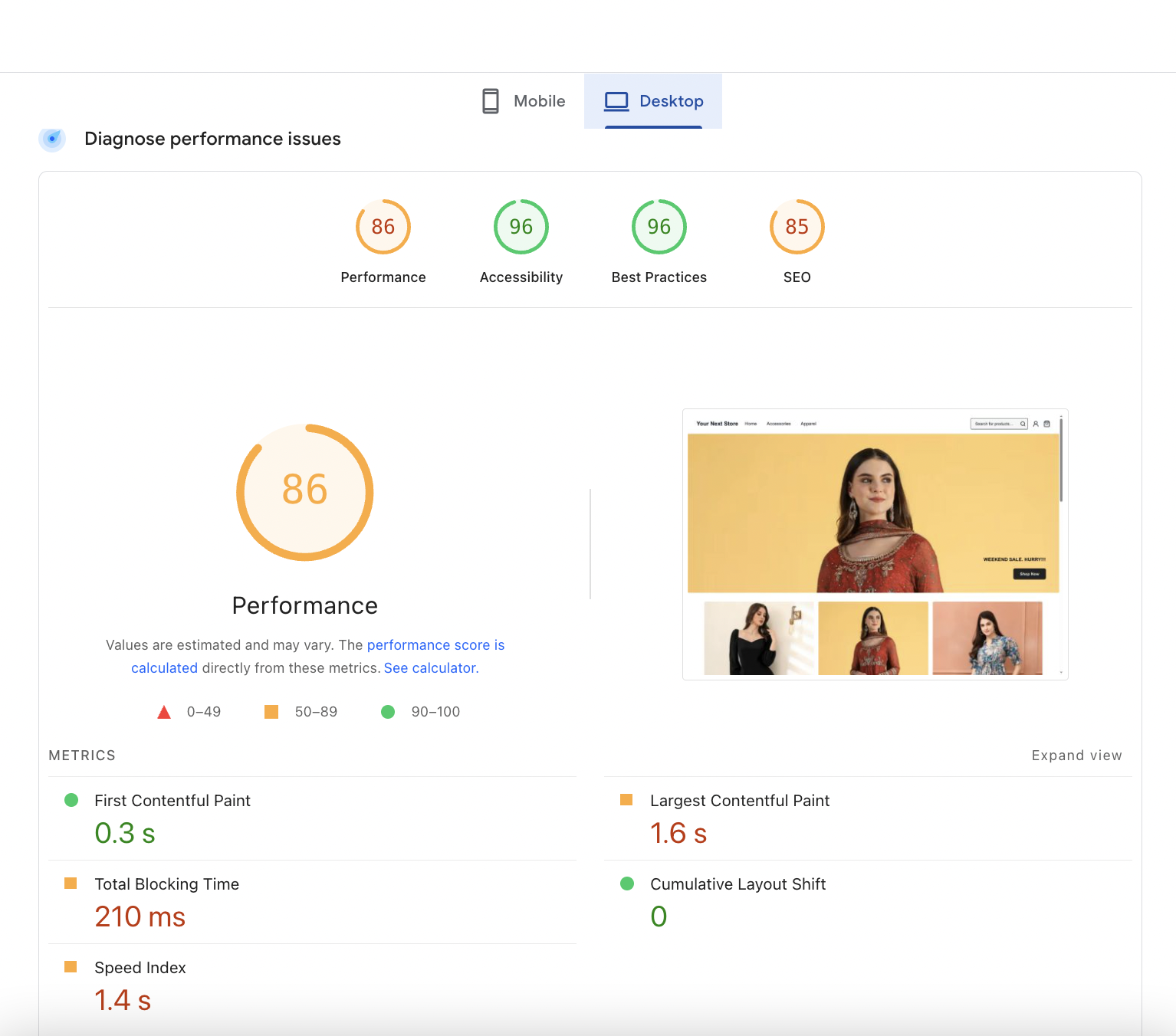
This is the sample website that I created using this tool.

On mobile responsiveness, every store page I generated automatically adjusted to tablets and smartphones. I didn’t need to tweak layouts manually. Everything looked clean and professional out of the box.

👉 Verdict: The onboarding is quick, the builder is simple to use, and the mobile results are reliable. Ideal for beginners and small businesses, though advanced users may want more customization.

Design & Templates

Number of templates is limited

I noticed it keeps things simple on the design side. The number of templates is limited compared to builders like Wix or Squarespace, but the ones available are clean, modern, and designed to work well for small online stores. Instead of overwhelming you with dozens of choices, it offers a few focused layouts that can be customized to match your brand.

Customization is straightforward

You can adjust colours, fonts, and basic layouts directly in the editor without technical knowledge. While it doesn’t offer pixel-perfect freedom like Webflow, it’s enough to make your storefront feel unique.

Ecommerce Capabilities

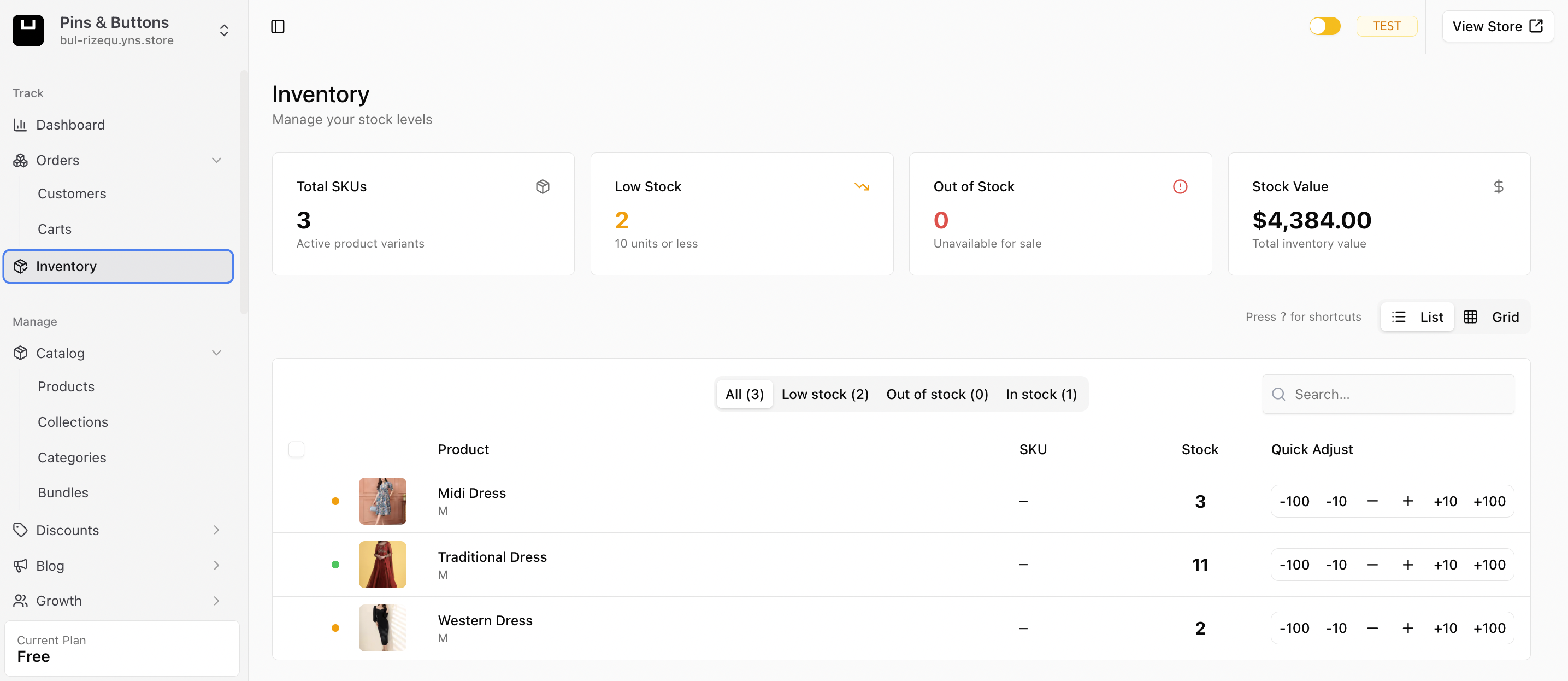
When I tested Your Next Store, the Track section stood out as a straightforward way to manage the day-to-day running of an ecommerce store. It’s broken into three key parts – Dashboard, Orders, and Inventory. Each designed to give you clarity without overwhelming detail.

  • Dashboard – The dashboard provides a snapshot of store activity. I could see total sales, recent orders, and key performance stats at a glance. It doesn’t flood you with advanced analytics, but for small businesses, the simplicity is actually useful. You get the essentials upfront without needing to dig.

  • Orders – Managing orders felt easy. Every new order appeared with customer details, items purchased, and payment status. From here, I could mark orders as fulfilled, update shipping, or send confirmations. For a test run, I placed a dummy order and found the process smooth.

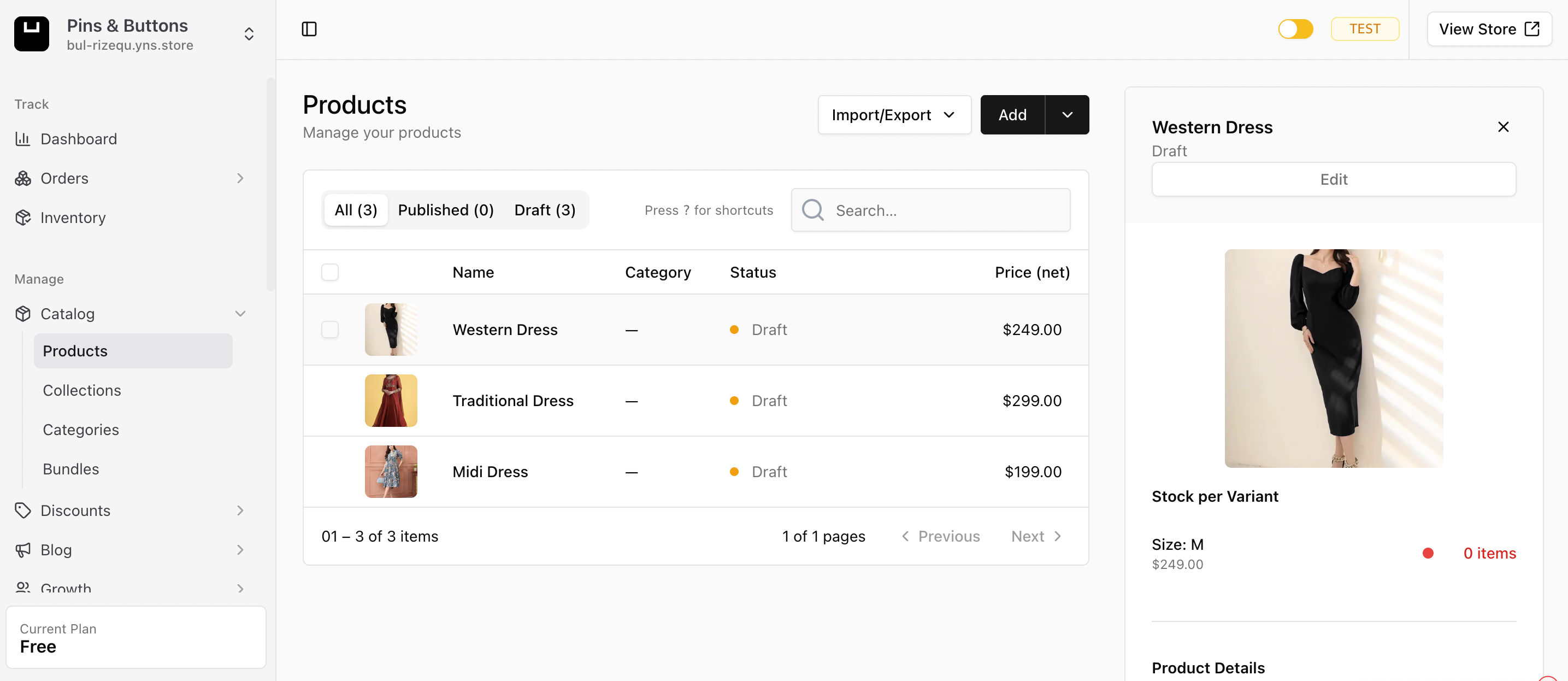
  • Inventory – The inventory tab made it simple to keep track of stock levels. Adding products with variants (like size or colour) was quick, and I could see in real time when items were running low. For small shops, this helps avoid overselling. While it’s not as advanced as enterprise systems, it works well for straightforward inventory management.

The Manage section in Your Next Store brings together the essential tools you’ll need to run an online business. Each option is designed to be quick, practical, and beginner-friendly.

  • Catalog – Adding products to the catalog was hassle-free. I could upload images, set prices, and add variants like size or color in just a few clicks. The interface felt clean and didn’t overwhelm me with unnecessary fields.

  • Discounts – Setting up discounts was quick. I could add percentage-based or flat-rate discounts and apply them across products or categories. It’s straightforward and ideal for running quick promotions without complex rules.

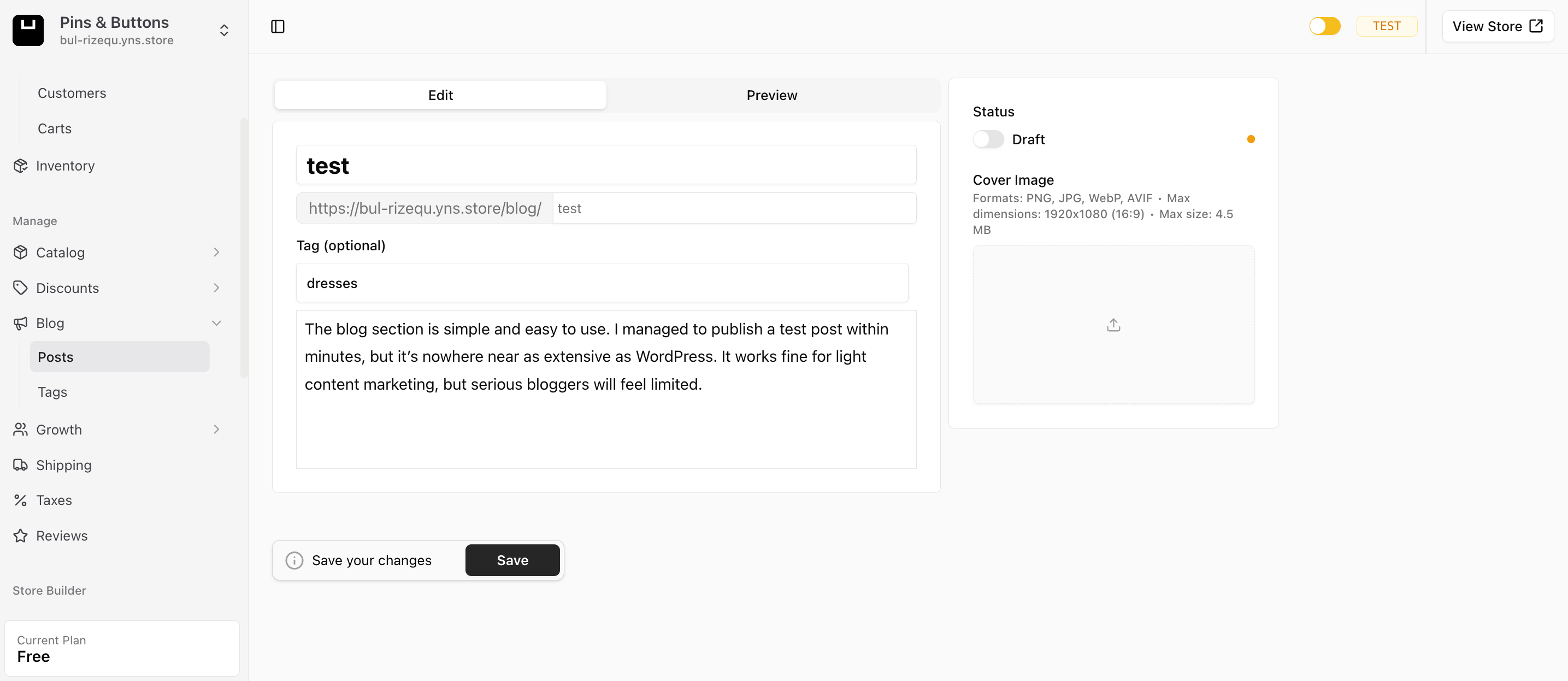
  • Blog – The blog section is simple and easy to use. I managed to publish a test post within minutes, but it’s nowhere near as extensive as WordPress. It works fine for light content marketing, but serious bloggers will feel limited.

  • Shipping – Shipping setup allowed me to add regions, flat rates, and free shipping rules. It’s good for small businesses managing local or basic shipping needs, though not advanced enough for global logistics.

  • Taxes – Setting up tax rules was clear-cut. I could define rates per region and apply them automatically at checkout. It’s basic but reliable enough for small-scale sellers.

Payment Gateways Limitations

When I tested Your Next Store, I found that it currently supports only Stripe as its payment gateway. Setting it up was simple. I need to connect my Stripe account enabled card payments instantly, and the checkout process worked smoothly in testing.

The downside is the limited choice: there’s no support for alternatives like PayPal, Razorpay, or regional payment providers. For businesses in regions where Stripe is fully available, this won’t be a problem. But for global sellers, the lack of multiple gateways could be restrictive.

Publishing & Hosting

Publishing with Your Next Store is straightforward, but it comes with certain limitations. Unlike some website builders that provide a free subdomain for trial, YNS requires you to connect your own custom domain to make your site live. This means you’ll need to purchase a domain separately before launching.

Once the domain is connected, publishing is instant. No technical setup or server management is required. Hosting is bundled into the platform itself, so you don’t have to worry about uptime or configuring SSL. During testing, my published store (Pins&Buttons) automatically came with secure SSL encryption, which is a must-have for ecommerce.

Performance was solid: Pages loaded quickly, and the platform handled mobile responsiveness well after publishing. However, unlike platforms with scalable hosting infrastructure (like Shopify or Webflow), YNS is more suited to small and medium-sized stores rather than high-traffic enterprises.

👉 Verdict: Publishing is simple and hosting is reliable, but the lack of a free publishing option and dependency on your own domain purchase may feel restrictive for hobbyists or first-time users.


Pricing & Value for Money

Your Next Store positions itself as a dedicated ecommerce builder, and its pricing reflects a business-focused approach. While it doesn’t compete with budget tools like Hostinger AI, it offers more robust ecommerce capabilities for serious sellers. All plans are billed annually, which keeps things predictable but does mean a higher upfront commitment.

Free Plan / Trial

Your Next Store offers a range of plans, starting with a generous free option and scaling up to advanced paid tiers for businesses ready to grow. This makes it accessible for beginners while still offering depth for established sellers.

  • 5% transaction fee
  • Unlimited products
  • No custom domain (YNS subdomain only)
  • Basic analytics dashboard
  • YNS branding in footer
  • Email support

Starter – $20/month (billed annually)

  • Everything from Free, with no YNS branding.
  • Lower transaction fees.
  • Custom domain support.
  • Great for small shops and solopreneurs looking to run a professional store.

Growth – $50/month (billed annually)

  • Advanced inventory tools.
  • Marketing features like abandoned cart recovery.
  • More customization options.
  • Suited for growing businesses scaling beyond a handful of products.

Pro – $300/month (billed annually)

  • Premium support and priority performance.
  • Extended integrations and advanced analytics.
  • Designed for established ecommerce businesses running large catalogs and high-volume sales.

Which Pricing Plan is Best for You?

  • Free Plan: Ideal for testing the platform or small side projects.
  • Starter: Perfect for freelancers, solopreneurs, and early-stage businesses needing a professional storefront.
  • Growth: Best for scaling shops that want marketing and inventory management tools.
  • Pro: Tailored for enterprises and established ecommerce players with complex needs.

While Your Next Store is pricier than entry-level builders, it delivers focused value for businesses serious about ecommerce. It’s less about casual use and more about growing (or scaling) an online business. The free plan is one of the most generous on the market for testing ecommerce, but serious sellers will benefit from Starter or Growth. Pro is only worth it for businesses operating at scale.

Customer Support & Community

Your Next Store offers email support across all plans, including the free tier. In my test, response times were decent. Most replies arrived within 24 hours, and the answers were straightforward and helpful. However, there’s currently no live chat or phone support, which makes it less immediate compared to competitors like Wix or Shopify.

The platform provides a basic help center with setup guides, FAQs, and step-by-step tutorials. While not as extensive as WordPress documentation or Webflow University, it covers the essentials for beginners to get started.

Community engagement is still limited. There isn’t a large forum or active user group yet, which means most troubleshooting relies on official support rather than peer-to-peer sharing. For a newer tool, this is expected, but seasoned users may miss the collaborative ecosystem found in bigger platforms.

Best Alternatives of Your Next Store

  • Shopify – A market leader in ecommerce, offering advanced features, multiple payment gateways, and scalability. More powerful than YNS, but also more complex and expensive.
  • Genstore AI – Focused on AI-driven ecommerce setup with step-by-step guidance. Better suited for businesses that want smart automation, while YNS focuses on simplicity.
  • Hostinger Website Builder AI – Budget-friendly with built-in hosting and AI automation. Great for beginners, but less ecommerce-focused compared to YNS.
FeatureYour Next Store (YNS)ShopifyGenstore AIHostinger AI
Ease of UseVery easy, step-by-stepModerate (setup takes time)Easy, AI-guided ecommerce setupVery easy, AI-driven
Templates & DesignLimited, clean, responsive100+ templates, customizableLimited, ecommerce-focusedAI-generated, customizable
Ecommerce FeaturesCatalog, discounts, shipping, taxes, reviewsAdvanced inventory, POS, global selling, multi-channelStep-by-step ecommerce setup with marketing toolsBasic store setup, good for small shops
Payment OptionsStripe only100+ gateways (PayPal, Stripe, regional options)Stripe, PayPal (expected focus on ecommerce)Stripe, PayPal
Pricing (Starting)$20/mo$29/mo$25/mo$2.99/mo (with hosting)
Free Plan/Trial✔️ Free forever (5% fee, no custom domain)✔️ 3-day free trial✔️ Limited free plan❌ No free plan (paid only)
Support OptionsEmail support only24/7 chat, email, phoneEmail, live chat (early stage)24/7 chat, email
ScalabilityBest for small to mid-sized shopsEnterprise-ready, highly scalableGrowing, ecommerce-firstLimited to small businesses
Ideal ForBeginners, small businesses, budget-conscious usersEstablished businesses, enterprisesStartups, AI-driven ecommerceBeginners, freelancers, budget users

Final Verdict

Your Next Store is a straightforward ecommerce builder aimed at beginners and small businesses who want to launch quickly without dealing with technical complexity. Its step-by-step setup, built-in ecommerce tools, and generous free plan make it appealing for budget-conscious users. However, it falls short in areas like template variety, advanced customization, and payment gateway options (Stripe only). Larger enterprises or advanced sellers may outgrow it quickly, but for startups, hobbyists, and small shops, it strikes a solid balance between simplicity, affordability, and core ecommerce functionality.

On this page

Tags:

We will be happy to hear your thoughts

Leave a reply

Diztel
Logo
Free Website Audit

“Actionable Website Insights at No Cost”
Sign Up Free